Your Guide to Growing and Harvesting Lavender
This aromatic perennial thrives in full sun and well-drained soil, and is a necessity for provincial gardens
Saxon Holt
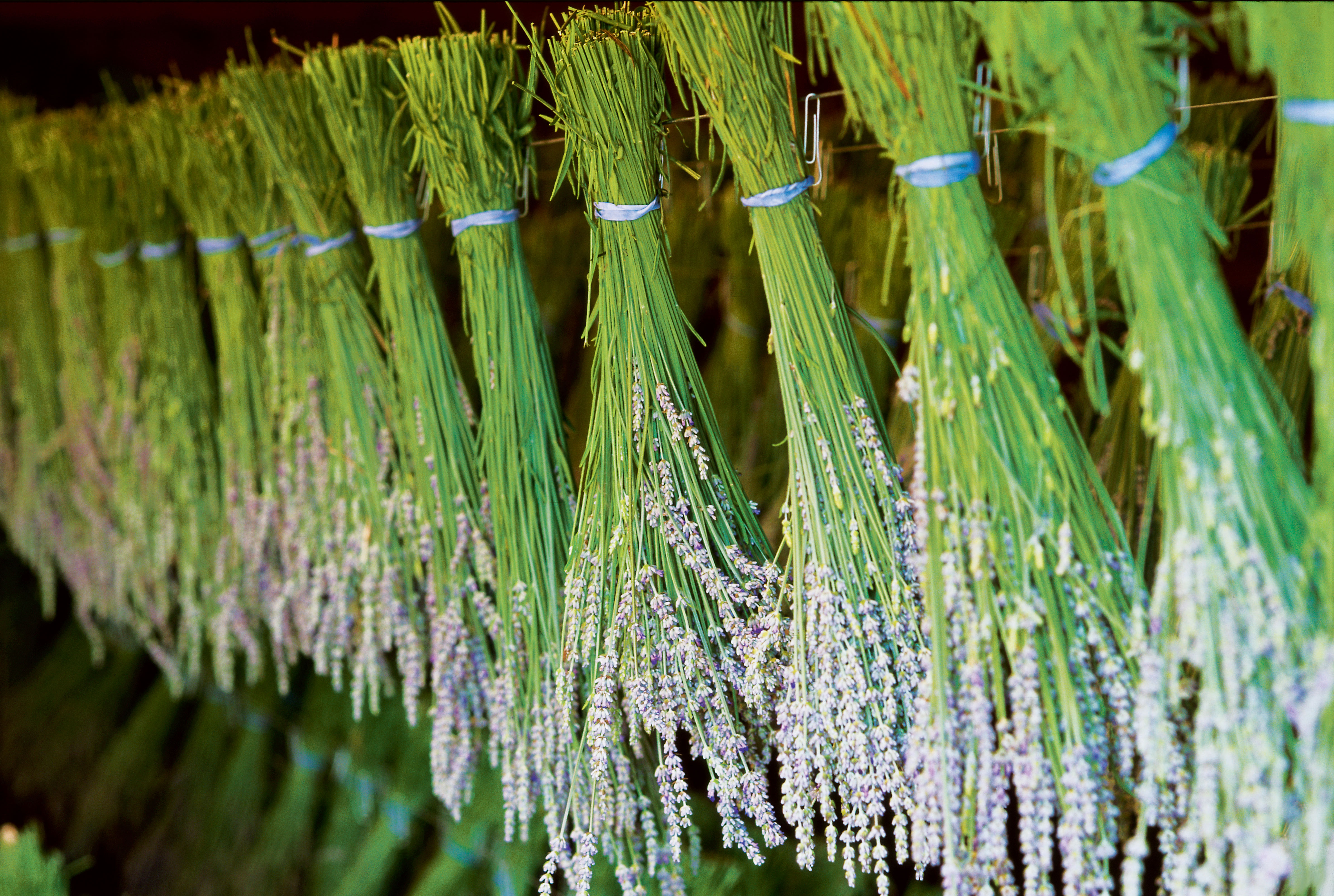
To dry lavender cut and bundle stems then hang them upside down as shown below in a cool dry dark room. Display dried flowers in a pot.
Whether you’re in town or the country, lavender is essential for bringing casual elegance to your garden. Growing lavender is as easy as cooking a roast in a crockpot: You set it and forget it. All thrive in full sun and well-drained soil; add organic matter to improve heavy soils, but otherwise, these lovely, fragrant perennial herbs are a cinch to plant, a breeze to grow, and as laid back to preserve as an afternoon in Provence.
You may know lavender by its scent, but that’s only one of this herb’s endearing qualities. Lavender is easy to grow in the West’s warm, dry climates, requiring little in the way of pest control, fertilizer, or, once established, water. Its scent is soothing, which is why its essential oil is a prized ingredient in many aromatherapy products, such as lotions and candles. And you can even cook with lavender flowers.
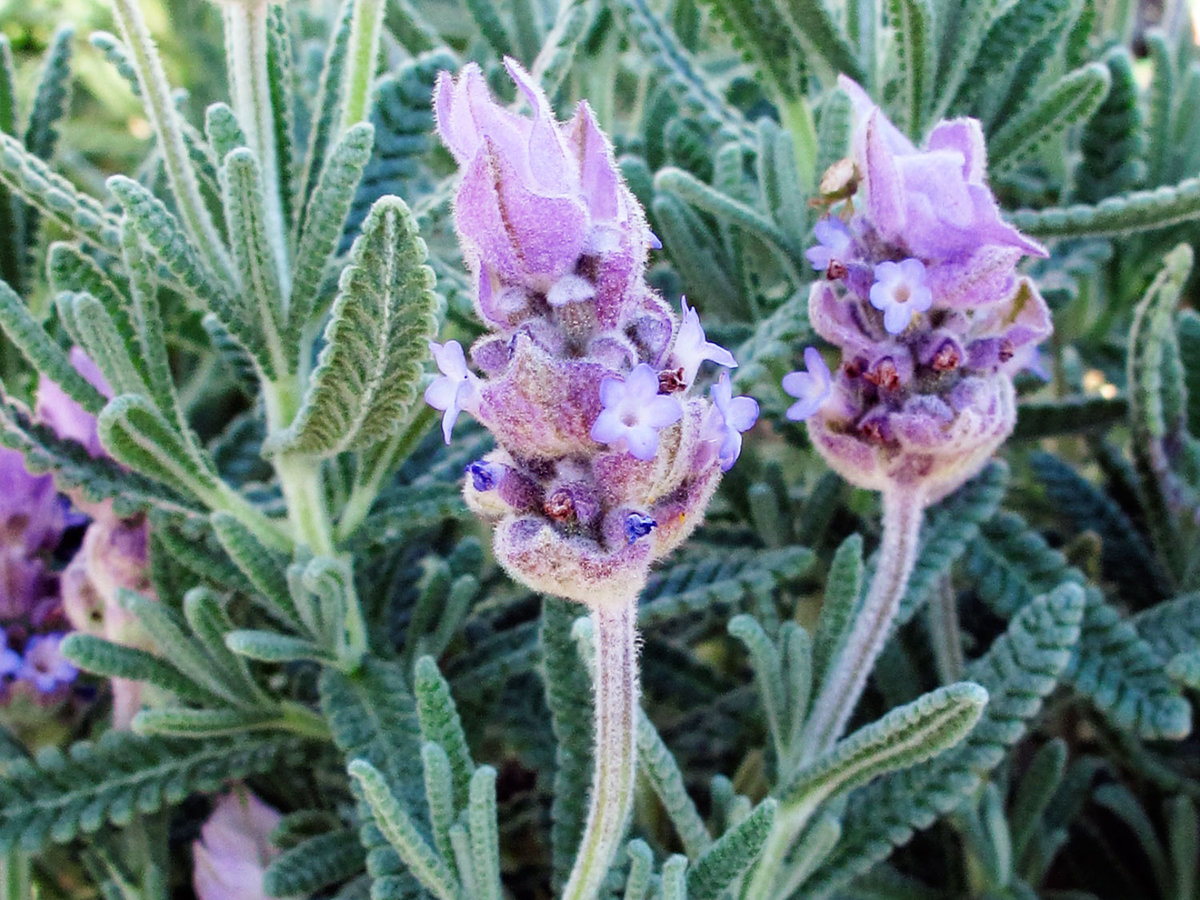
Photo by Linda Lamb Peters
How to Plant
Look for cutting-grown, rather than seed-started lavender plants (most nurseries can provide this information), especially for hedges, since the ultimate size of seed-grown lavender can vary. Most kinds will thrive for about 12 years before they need replacing.
Growing Conditions
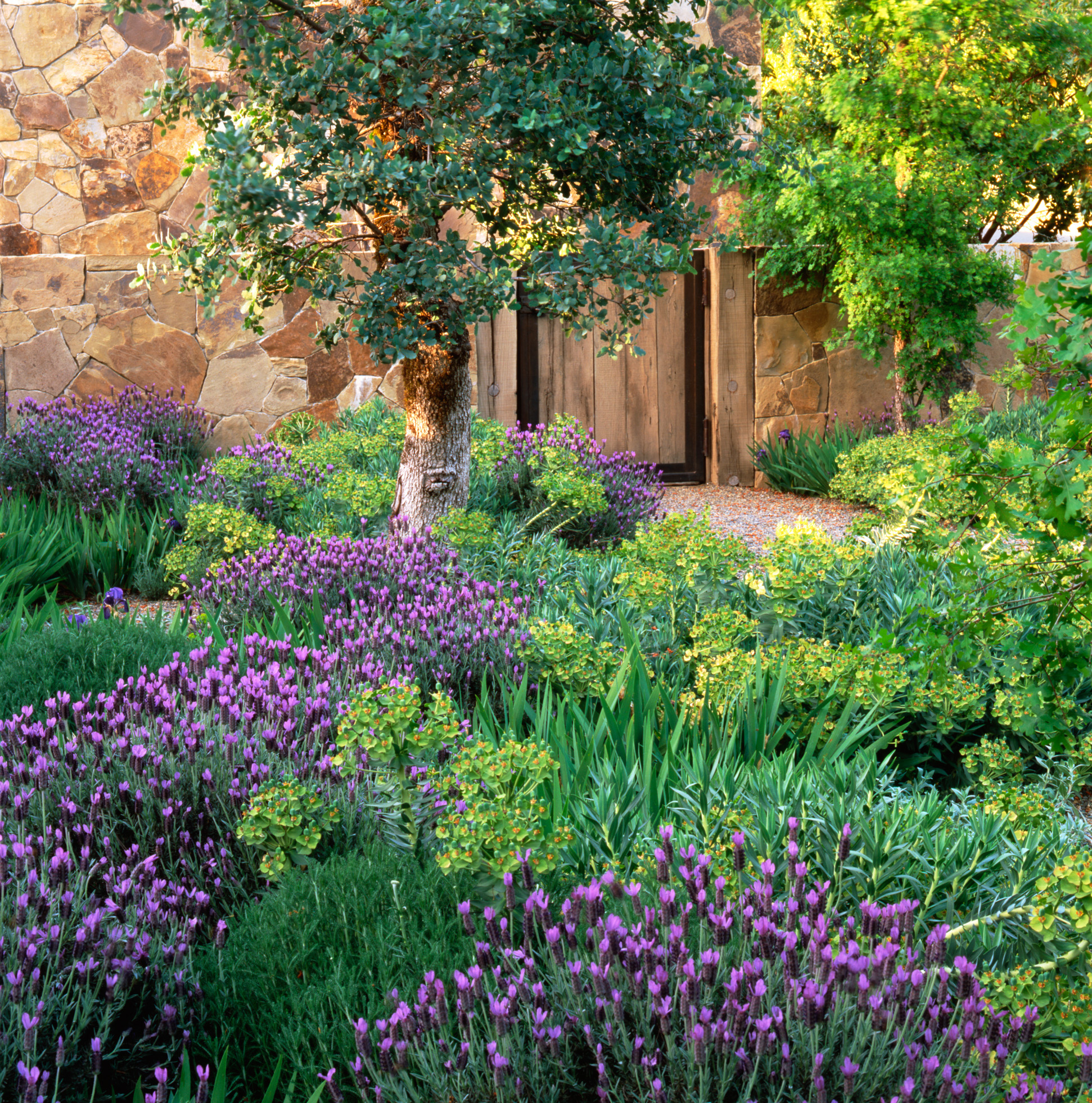
Lavender needs full sun and well-drained soil. Where soil drains poorly, grow lavender in raised beds. Set full-size varieties 3 to 4 feet apart, dwarf types 18 inches apart. Mulch with decomposed granite or gravel—not compost.
Courtesy of High Country Gardens
Pruning Tips & Plant Care
Irrigate deeply but infrequently, when the soil is almost dry. Lavender plants require little or no fertilizer.
Prune every year immediately after bloom. Cut back 2- to 4- foot tall varieties by a third, low-growing types by 2 to 4 inches. If you won’t be harvesting the blooms of repeat performers, such as Spanish lavender, cut off faded lavender flowers to keep new ones coming.
Snip stems when the bottom third of their blossoms are open; not all blooms are ready to cut at the same time. Remove leaves from the stems, gather stems in bunches, and secure each bundle with a rubber band. Use no more than 100 stems per bundle.
About Lavender Varieties
Lavender is grown for numerous purposes: essential oil, crafting, culinary use; pick the best varieties for your desired use. At Havenhill Lavender Farm farm in Silverton, Oregon, Trina Riemersma grows the varieties listed below.
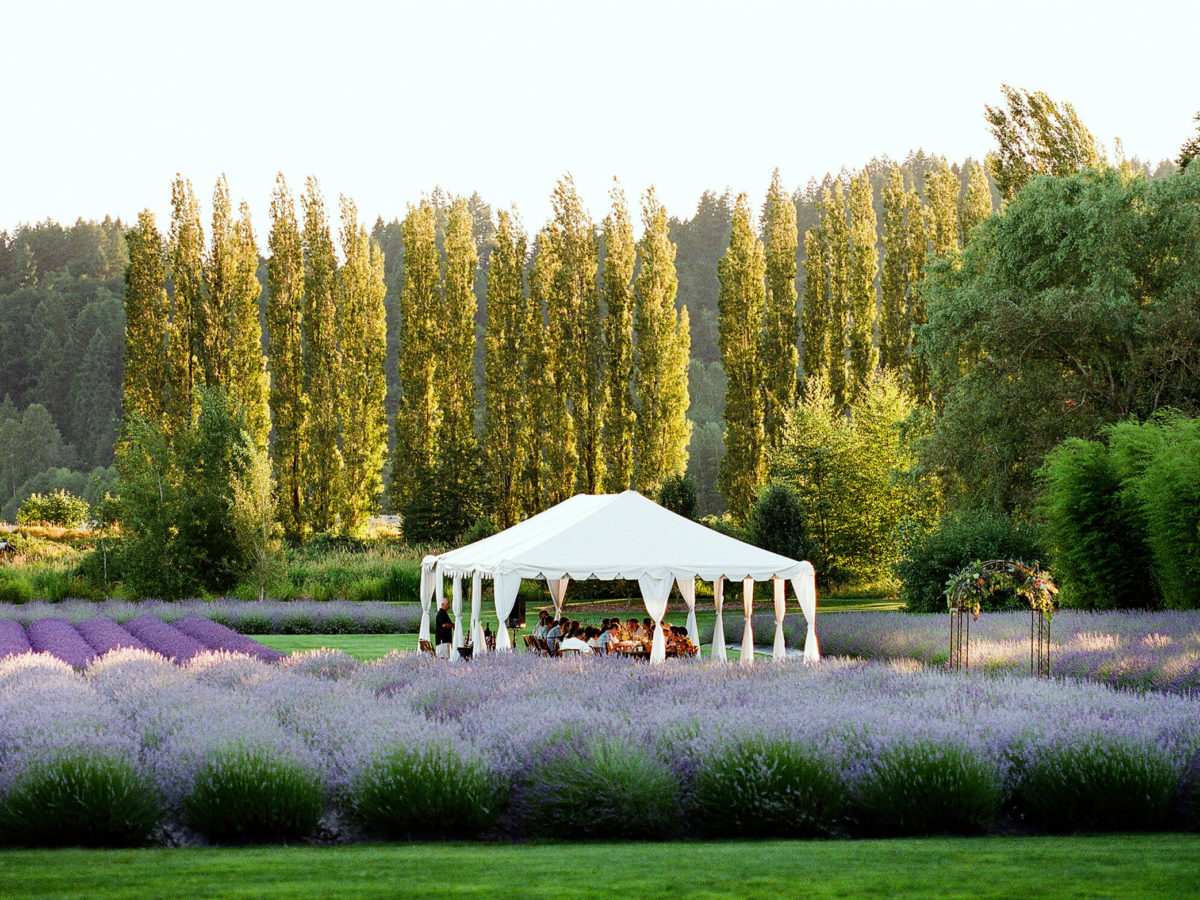
Courtesy of Woodinville Lavender Fields
• English lavender (Lavandula angustifolia). A sweetly fragrant lavender used for perfume and sachets; also good for flavoring ice cream, jams, meat rubs, and pastries.
Riemersma grows ‘Buena Vista’ lavender―with fragrant, dark blue-purple flowers ― because it’s the perfect complement to savory dishes and sweet desserts (Lavandula angustifolia ‘Mun-stead’ and ‘Hidcote’ can also flavor food). She uses it to enhance blackberry jam and shortbread cookies and as a rub (along with rosemary) for cedar-planked salmon with lavender-honey glaze.
Most varieties form mounds of foliage up to 2 feet tall. Unbranched stems rise above fragrant gray-green or silvery foliage; flowers are white, pink, lavender-blue, or various shades of purple.
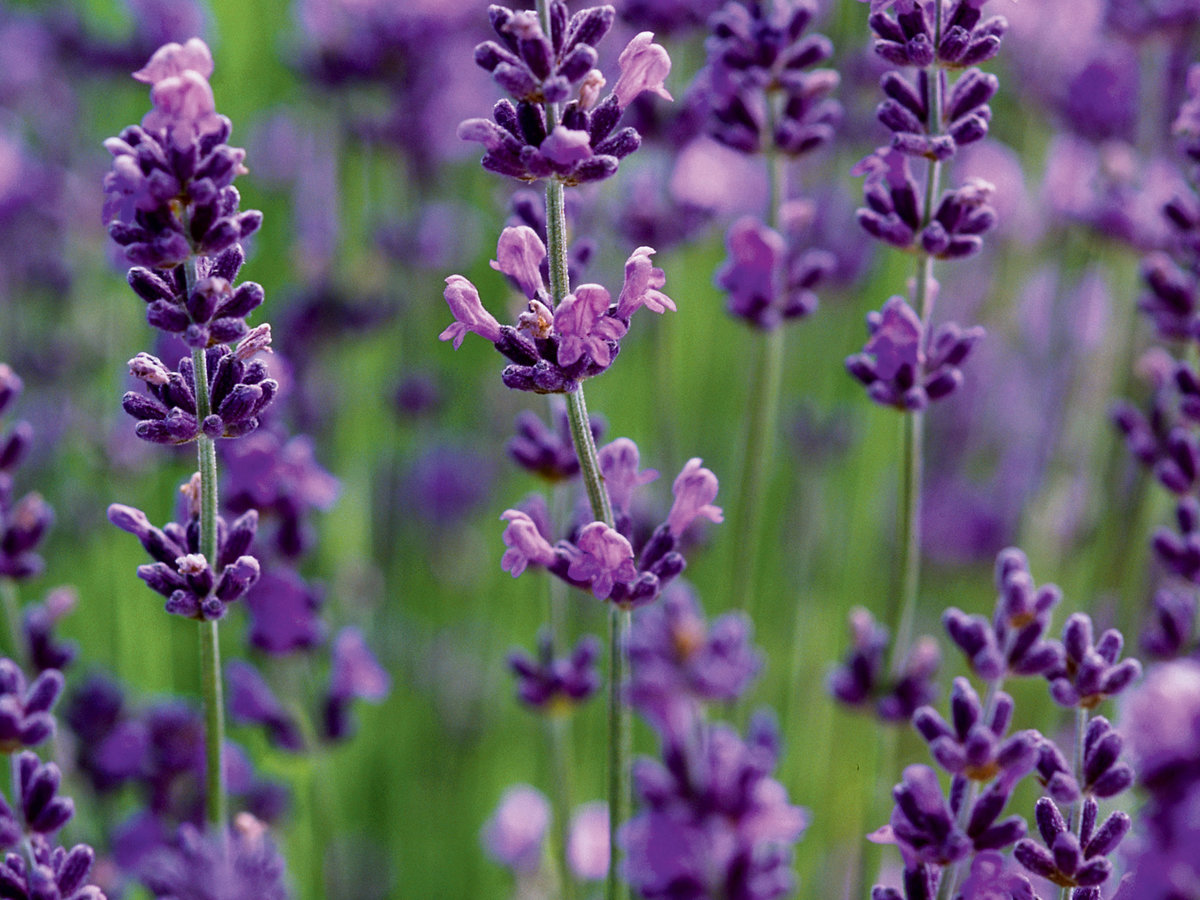
‘Munstead’ English lavender blooms are valued for their rich coloring and long bloom season. They dry well. Photo by Saxon Holt
• ‘Grosso’ is a widely planted commercial variety in France and Italy; possibly the most fragrant lavandin of all. Compact growth to 2½ ft. tall and wide. Silvery foliage; large, conical spikes of violet-blue flowers with darker calyxes. Often repeats bloom in late summer. Excellent for drying.
• ‘Provence’ may often be described as the perfume lavender, but this selection doesn’t produce the kind of oil used in perfumery (we find it’s better for cookies). It grows 2 ft. tall, with fragrant violet-blue flowers that dry well. If you just want an attractive hedgerow for lining walkways and driveways, try growing this lavender.
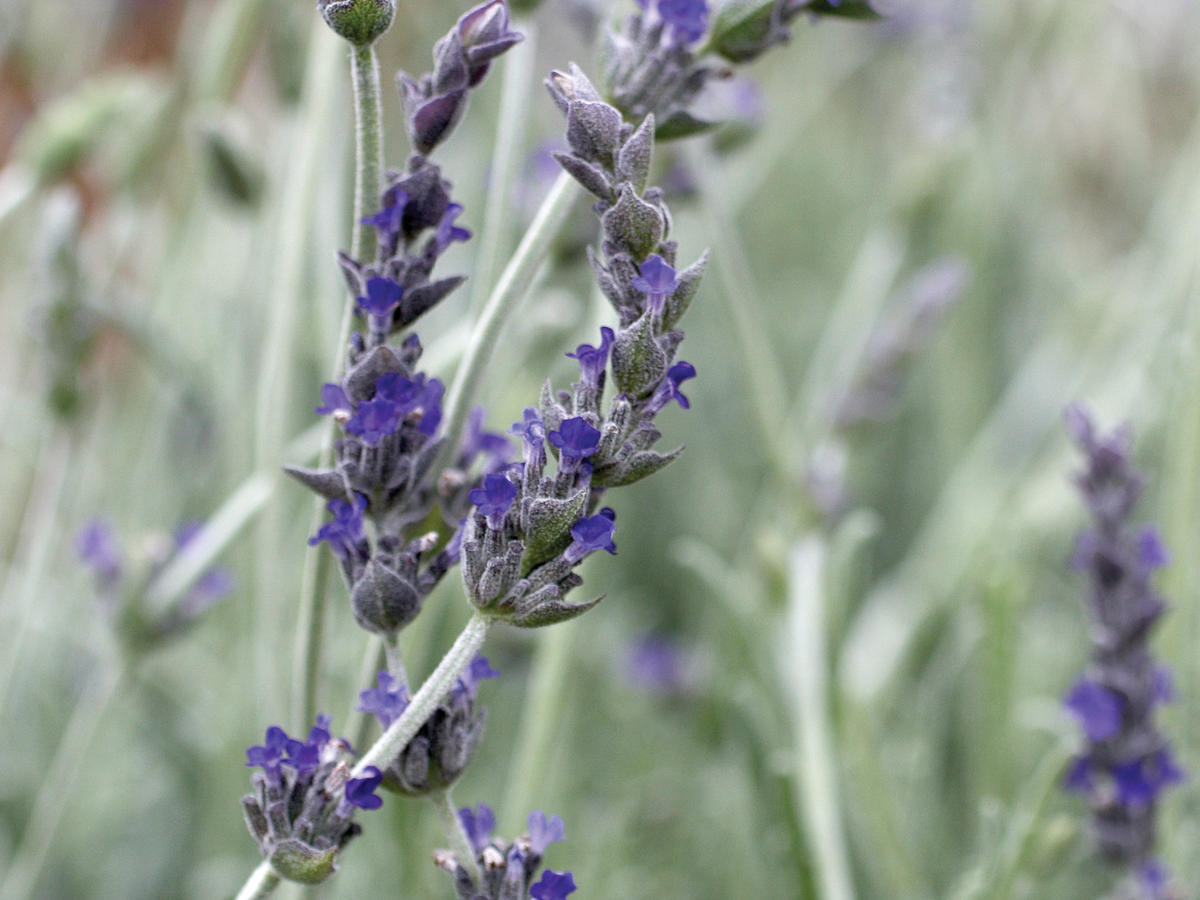
• Spanish lavender (L. stoechas) Zones 4-24. Stocky plants grow to 3 ft. tall with gray or gray-green leaves. Bracts resemble rabbit ears; they come in shades of purple and pink. Blooms spring into summer.
• Edelweiss-This is a medium-sized plant with white flowers, primarily grown as a landscaping plant.
Linda Lamb Peters
Lavender Care
Lavender is the absolute easiest thing in the world to grow. Here are some tips:
Plant lavender in full sun and well-drained soil (add organic matter to improve heavy soils). Starting with the proper conditions is essential for successfully growing lavender.
Water plants deeply but infrequently, when the soil is almost dry.
Prune every year immediately after bloom. For low-growing lavenders, trim back foliage 1 to 2 inches. Starting in a plant’s second year, all 2- to 4-foot lavenders should be cut back by about a third to keep the plant from getting overly woody. If a plant becomes woody and open in the center, remove a few of the oldest branches; take out more when new growth starts. If this doesn’t work, it’s time to dig out the plant and replace it. (Some commercial growers replace plants after 10 to 12 years.)
If you won’t be harvesting the blooms of repeat performers, such as Spanish lavender, cut off faded lavender flowers to keep new ones coming. Snip stems when the bottom third of their blossoms are open; not all blooms are ready to cut at the same time. Remove leaves from the stems, gather stems in bunches, and secure each bundle with a rubber band. Use no more than 100 stems per bundle.
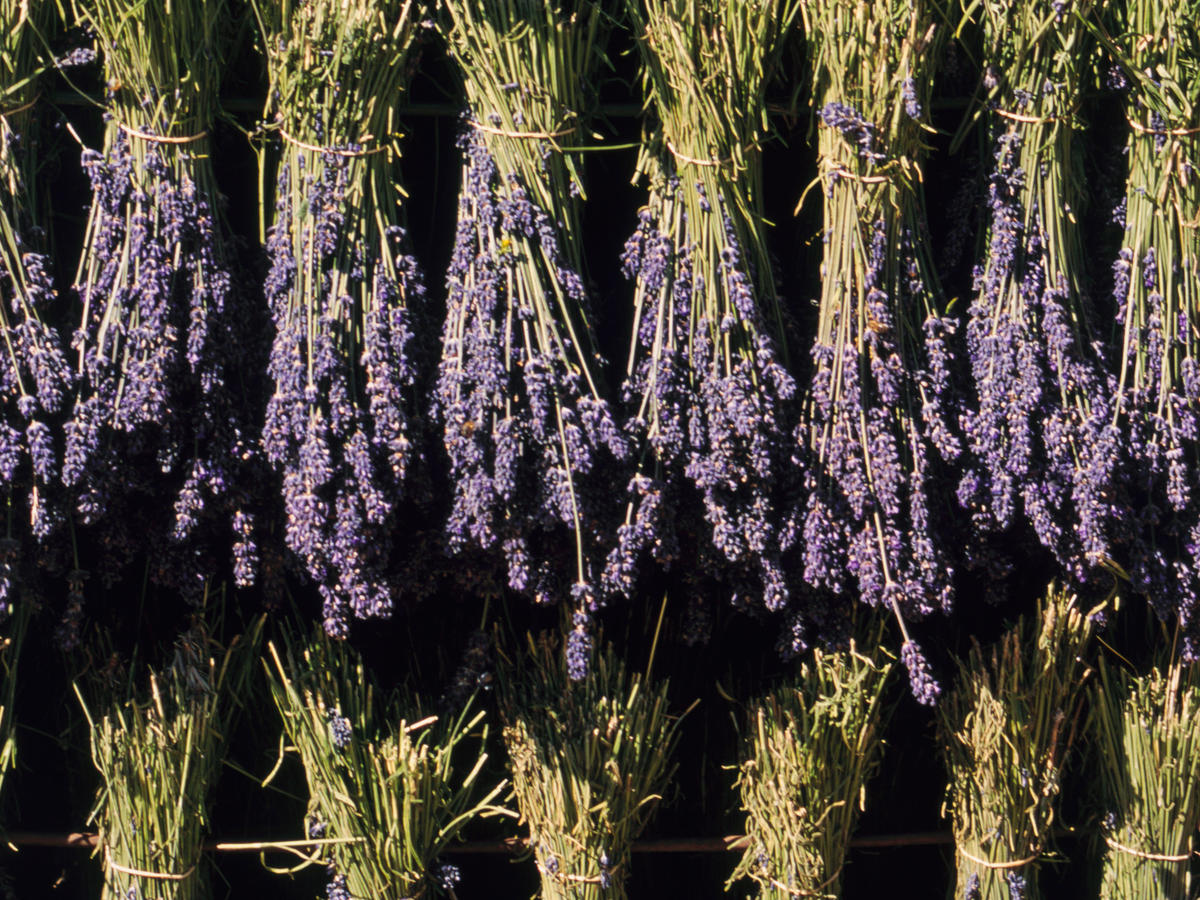
Harvest for sachets and potpourri by cutting flower spikes or stripping flowers from stems just as blossoms show color; dry in a cool, shaded place.
Tips for Starting a Lavender Farm
Thinking of starting your own lavender farm? Whether you want to start growing lavender en masse for fun or for profit, know what you’re getting into. Question locals about life in the new community before you begin your new dream life as a lavender farmer (which, the more we think about it, sounds pretty dang amazing). Assess what’s needed to make the new place livable, and how much you can do yourself. And while you’re at it, maybe consider adding a few bee boxes, to help your new invertebrate neighbors out.
Lavenders by Mail
If you can’t find the variety you want locally, try one of these sources.
High Country Gardens; 800/925-9387.
Joy Creek Nursery; 503/543-7474.
Goodwin Creek Gardens; 800/846-7359.
Sunset’s Own Gardening Tools
Sunset Gardening Apron
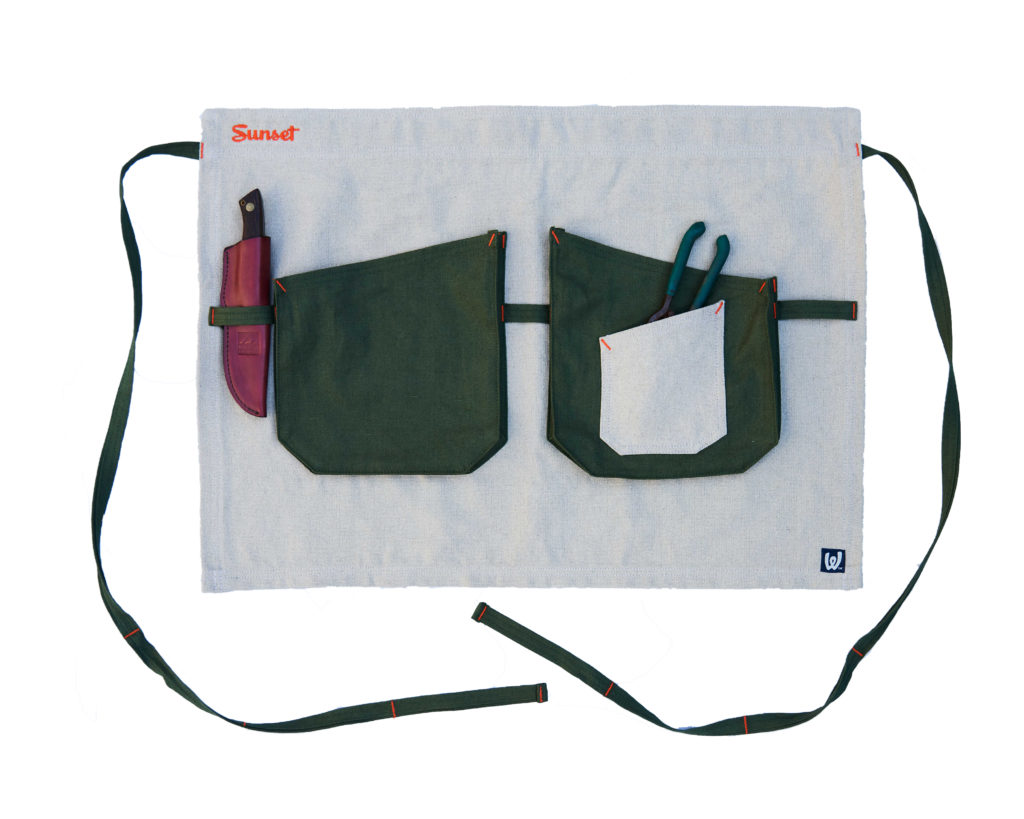
Thomas J. Story
We’ve teamed up with the good people at White Bark Workwear in Los Angeles, California, to produce our first official Sunset garden apron—a sustainable and practical tool for gardeners everywhere. The spacious utility pockets are gusseted to expand and provide extra room for tools, twine, garden clippings, and anything else you might need to keep near.
Foldable Garden Seat with Tools
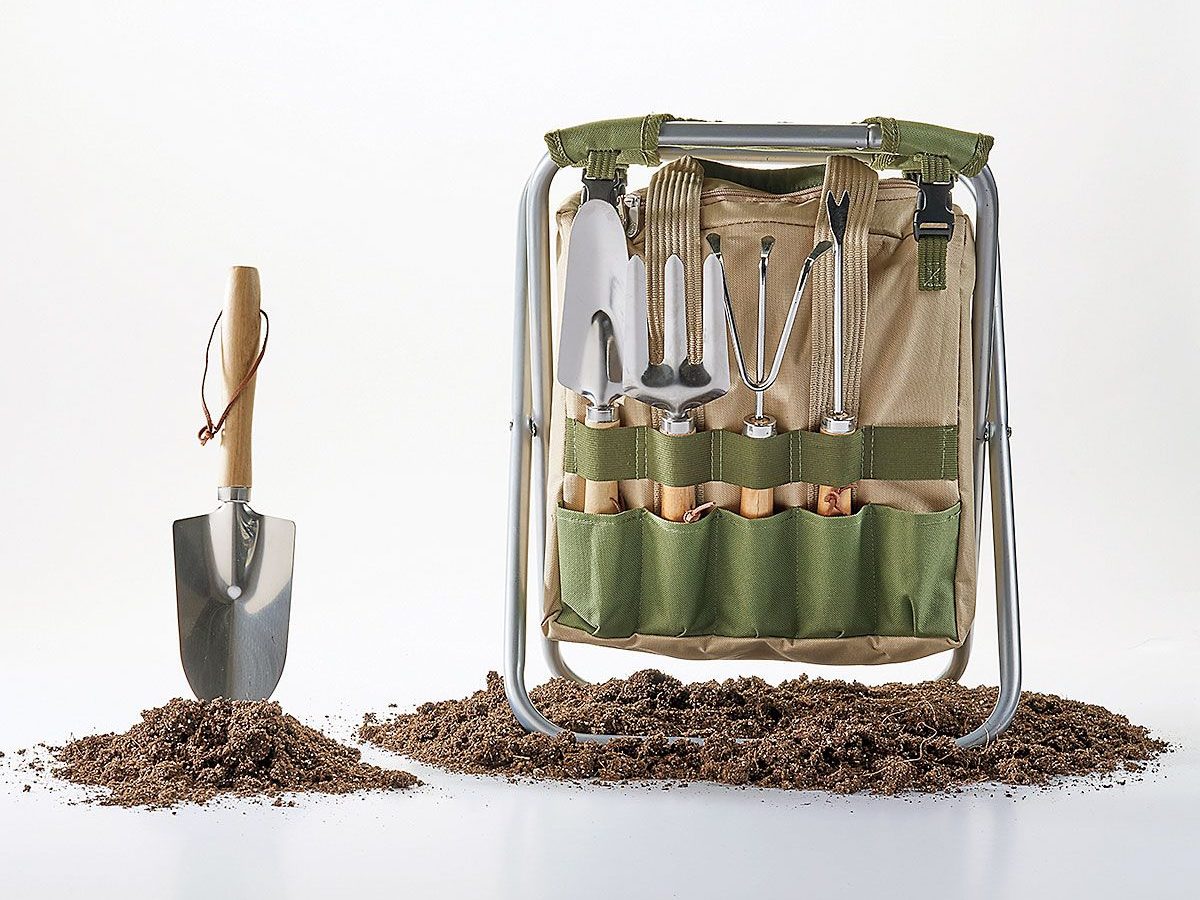
Whether you’re growing your own food or seeding flowers to mesmerize the neighbors, gardening is hard on your body. Our foldable garden seat, featuring a neat embroidered Sunset logo, reduces the stress of constant kneeling or squatting. Plus, it comes with comes with five essential tools and the pockets to keep them at hand.
Fisher Blacksmithing Garden Cultivator
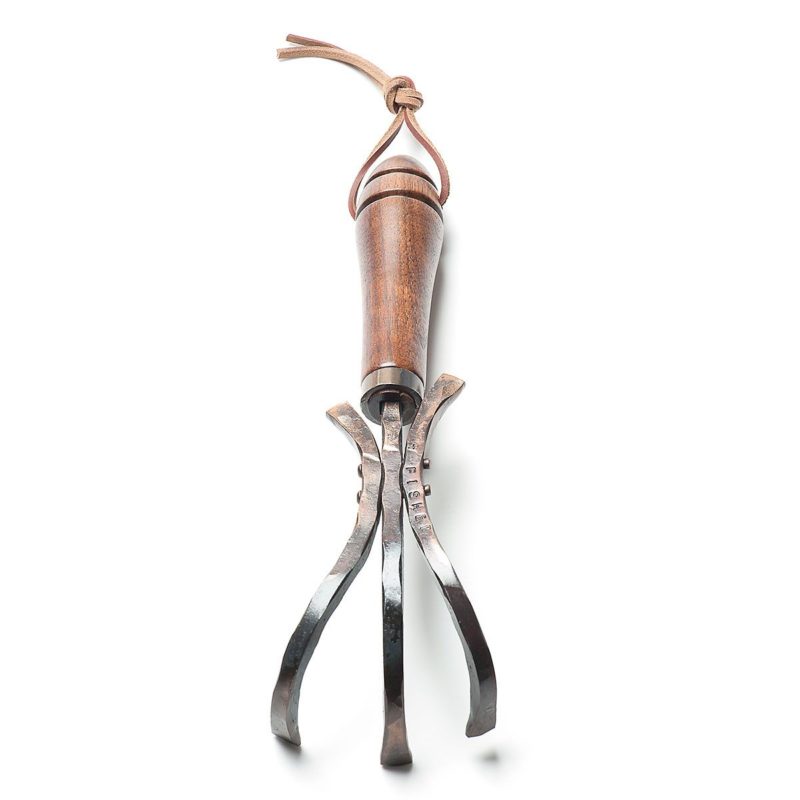
Rab Cummings
This elegant rake is great for breaking up dirt and attacking weeds! The tines are ideal for working with grasses and other weeds that have shallow, rhizomes, or runner-type growth. The carefully bent side tines flare slightly below the ferrule creating a beautiful, fleur de lis image. The solid steel rivets are set horizontally to the direction of pressure providing additional stability for the rake.
Garden Tote with Tools
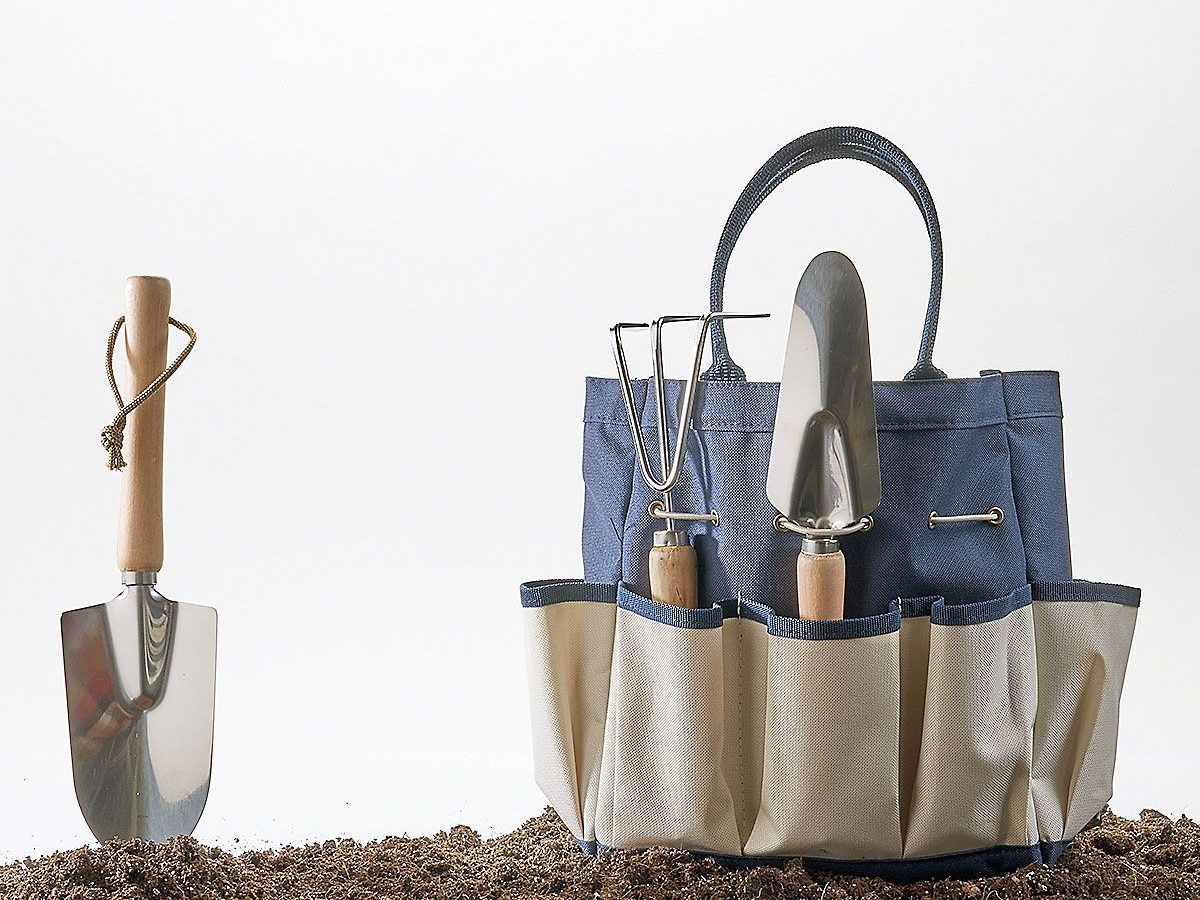
If you’ve got a lot of (ahem) ground to cover in your garden, you’ll need something to tote around your tools—like, um, this tool tote! It’s durable, emblazoned with the Sunset logo, and comes with two trowels and a cultivator, not to mention space to carry a whole lot more.
Vintage Sunset Cover Personalized Garden Flags
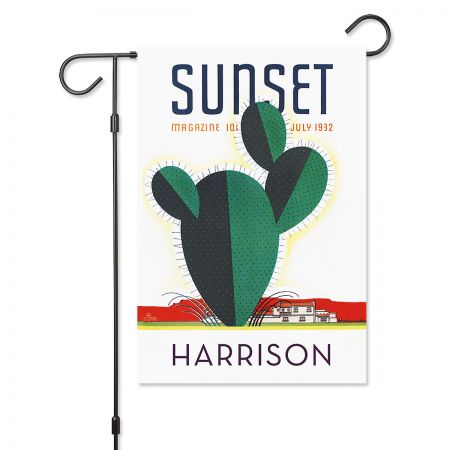
Plant your flag! Our weather-resistant garden flags come custom-printed with your family’s name. Show off your pride in the West—and, ahem, your good taste—with your favorite vintage Sunset covers.